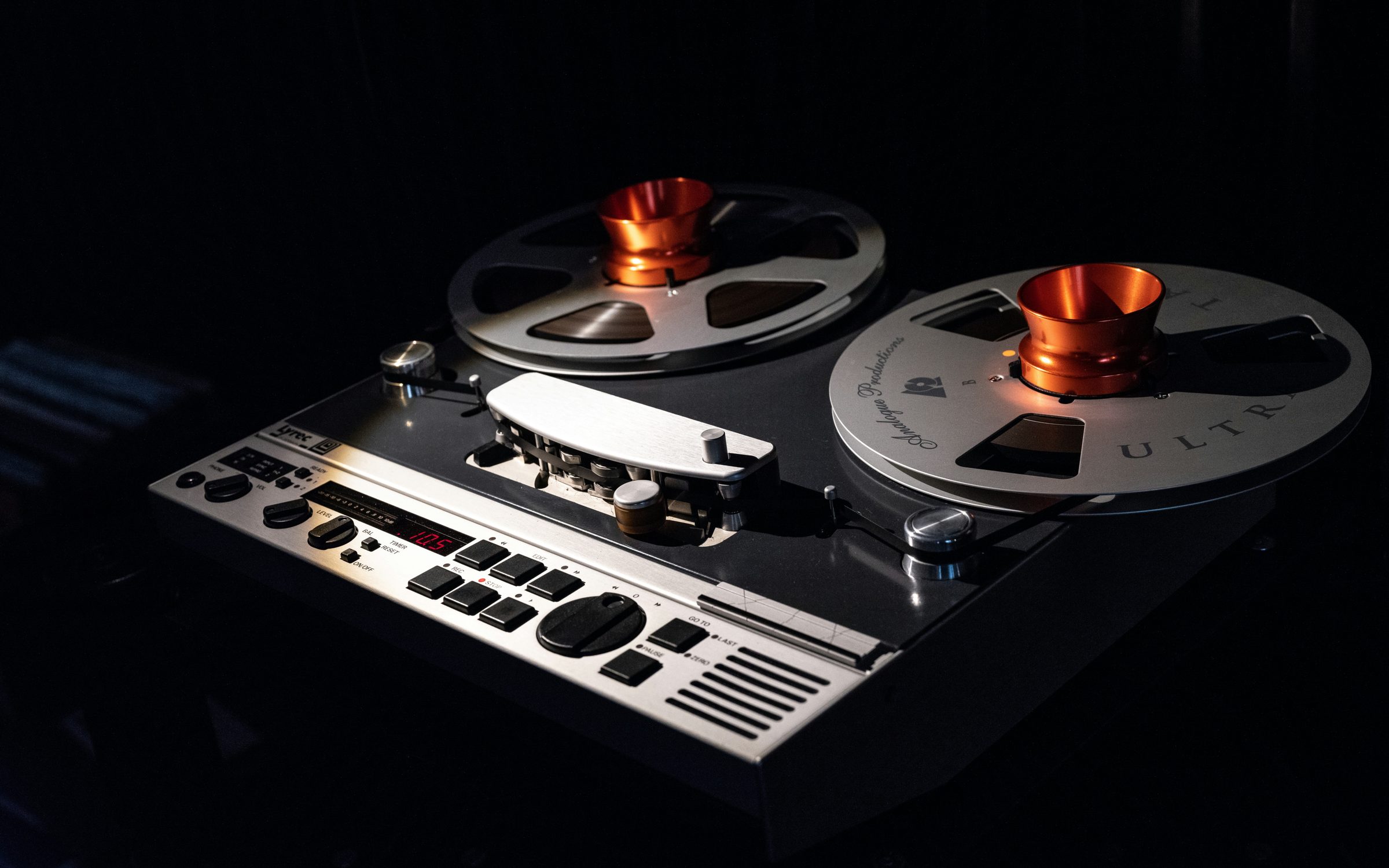
Dolby Atmos isn't just a mixing choice anymore — it's a growth lever for your music.
Switch between the two versions during playback. The track never stops — only the space around it changes.
One sound, two perspectives.
stereo.mp3 / atmos.mp3 files not found — add them to /assets/.
Every element sits at the same distance : the classic stereo mix, between two speakers — the one 90% of listeners still hear today.
Four concrete levers, beyond the sound itself, that change how your music is distributed, paid, and heard.
Atmos editorial playlists are still sparsely populated, and heavily pushed by the algorithms.
Up to +10% in Apple Music royalties on tracks available in Spatial Audio.
Fewer skips, more full plays — signals the algorithms are watching.
Major labels already mix in Atmos — the same technological tools, for your catalog.
Almost all of your audience listens to Atmos on headphones, in binaural — that's exactly the condition I mix in, not a room they'll never reproduce.
Launch pricingThese prices reflect the launch of the business under the Studio Artois name — mixing itself has been practiced for over 10 years. In exchange, I simply ask for your agreement to feature the track on my "Mixed at Studio Artois" playlist — no obligation., per track (up to 32 tracks, larger projects quoted separately).
Paid in two installments : 50% on order, 50% on final delivery — settled before high-resolution masters are sent.
Atmos mixes calibrated for high-definition binaural playback on headphones (Apple Music Spatial Audio, Tidal, Amazon Music), delivered in the official .ADM BWF format, -18 LUFS integrated / -1.0 dBTP standard.
On every distribution platform, the Stereo file remains the mandatory primary master : Atmos is an additional file, never a substitute. That's why the Atmos-only offer requires your final stereo stems.
Agreed together based on your release schedule — mention any constraints in your quote request.
Send me the details of your project — I'll get back to you quickly with a precise quote.
WAV files, 24-bit/48kHz, all tracks consolidated to 00:00:00, no reverb or delay on the master (I place those myself in 3D). Isolate Kick, Snare, bass, and lead vocal; group the rest by family (8 to 24 stems ideally). Short, clear names, folder named Band - Title - Tempo XX BPM, sent via WeTransfer or similar.
The multitrack is the full set of your individual mics and takes (40 to 100 tracks). Stems are already-balanced sub-groups (KICK.wav, BASS.wav...). The Atmos-only offer works from stems; the Ultimate Pack handles your raw tracks.
In Dolby Atmos, the low-frequency channel (LFE) demands surgical precision. Separating Kick and Bass ensures a clean low-end impact, without masking other instruments during spatialization.
A secure binaural listening link, playable on headphones from any browser or smartphone, to approve under real listening conditions. Revision rounds are included depending on your package.
The stated limits cover 90% of independent projects. Beyond that, I adjust the offer with a custom quote, or offer free advice on how to best group your secondary tracks.